- Select State

- Drivers Ed

- Community


Back-to-School Driving Laws Every Teen Needs to Know
Your First Solo School Drive: What to Expect
Driving yourself to school for the first time is a significant milestone. It marks a new level of independence, responsibility, and trust. While you may feel excited, it's natural to have a few nerves as well—every new driver does.
This guide will help you prepare by explaining the state-specific teen driving laws that affect your school commute. You'll learn how Graduated Driver Licensing (GDL) works, the key restrictions you must follow, and practical tips to ensure each trip is safe, legal, and stress-free.
Why These Rules Exist: Meet the GDL
Graduated Driver Licensing (GDL) laws aren't there to hold you back. Think of them as your safety co-pilot—designed by experts to help you build skills in lower-risk situations before taking on more challenging ones. These laws work in stages, each one unlocking more freedom as you prove your ability to drive safely.
Understanding driver licensing restrictions and requirements for every stateTrending Which States Have Driver Licensing Restrictions Teens Driversed.com can help you navigate your specific state's rules with confidence.
The 3 Stages of Your License
Learner's Permit – You drive with a licensed adult in the passenger seat.
Provisional (Intermediate) License – You can drive solo, but with some key restrictions.
Full License – No restrictions; you've earned full driving privileges.
For school mornings, the provisional license stage is where most of your commute rules come into play.
Key Restrictions That Affect Your School Commute
1. The Passenger Rule – Who Can Ride with You
Most states limit the number of passengers under a certain age during your first months of solo driving. Friends in the car can mean more noise, more distractions, and less focus on the road.
Tip: Until restrictions lift, keep it solo or stick to family members.
2. The Curfew Rule – When You Can Drive
Provisional licenses often have a nighttime driving curfew (for example, no driving between 10 p.m. and 5 a.m. without an adult). This reduces your risk during hours when visibility is low and fatigue is high.
School-life impact: Some states allow exceptions for school events, work, or religious activities—but you may need written proof. Always check your local rules.
3. The Phone Rule – No Devices, No Distractions
Teen drivers face strict no-phone laws for a reason—distracted driving is one of the leading causes of crashesTrending Dangers Distracted Driving And How Avoid Them Driversed.com. Even glancing at your phone for a second can change everything.
Your strategy: Set GPS and music before you shift into drive. Use "Do Not Disturb" mode, and keep your phone out of reach. For parents looking to help teens resist phone use while driving, there are practical tools and strategies that can make a real differenceParents Talk Your Teen Driver About Safe Driving Teen Driving.
Even If You Think These Rules Don't Apply to You…
Even if:
You're just driving a short distance to school
You know every turn and stop sign by heart
You've been practicing for months
GDL restrictions still apply—and they're there to protect you. Following them isn't just about avoiding a ticket; it's about making sure you arrive safely, every single day.
Know Your State’s Laws: No Guessing Allowed
Driving laws vary by state, and so do GDL rules. What's fine in one state might be illegal in another. The safest move? Check your state's official DMV or licensing website for the most accurate, up-to-date requirements.
Understanding general teen driving license lawsTrending Drivers License Laws Teens Driversed.com across different states can give you a good foundation, but always verify your specific state's requirements.
Create a Parent-Teen Driving Contract
A Parent-Teen Driving Contract can help you build trust, set clear expectations, and show your parents you take driving seriously. Learning how parents can model good driving behaviorTrending Parents Guide Modeling Good Driving Behavior Driversed.com is crucial for establishing the right foundation.
What to include:
Academic Standing – Commit to maintaining grades for driving privileges
After-School Rules – Define where you can go before heading home
Financial Responsibility – Agree on who covers gas, insurance, or maintenance
You can find guidance on preparing your teen driver for the roadTrending Preparing Your Teen Driver For The Road Driversed.com to help create comprehensive agreements.
Your Pre-Drive School Commute Checklist
Before every drive, take 60 seconds to set yourself up for success:
Plan Your Route – Check for traffic or construction.
Prep Your Car – Adjust your seat, mirrors, and steering wheel; set GPS and music; put your phone away.
Focus Your Mind – Take a deep breath, review the rules, and trust your skills.
For comprehensive preparation tips, check out the back-to-school teen driving safety checklistTrending Back School Teen Driving Safety Checklist Driversed.com which covers essential strategies for managing school-year driving responsibilities.
Frequently Asked Questions
Can I drive friends to school with a provisional license?
In most states, you cannot drive non-family passengers under a certain age for the first several months of your provisional license. Check your state's exact restrictions.
Do curfew laws apply if I'm driving to a school event?
Some states make exceptions for school events, work, or religious activities, but you may need written proof. Always verify with your state's DMV.
Is hands-free phone use allowed for teen drivers?
Generally, no. Many states ban all cell phone use for drivers under 18, even hands-free devices. Understanding teen distracted driving statisticsTrending Teen Distracted Driving Statistics California Wake Call Driversed.com can help reinforce why these laws exist.
How can I find my state's GDL rules?
Visit your state's official DMV or licensing website. You can also reference comprehensive guides about state-specific requirements to get started.
Do these laws change once I turn 18?
Yes. In many states, GDL restrictions end at age 18, but you should confirm your state's policy before making assumptions.
Your Key Takeaway
Driving yourself to school is a milestone worth celebrating. By understanding your state's laws, respecting your GDL restrictions, and preparing before each trip, you're setting yourself up for safe, confident commutes every day.
Understanding whether your teenager is ready to driveTrending Is My Teenager Ready To Drive Driversed.com can help ensure they're prepared for these new responsibilities. When you're ready to build even more skills, comprehensive driver education courses are available to help you feel prepared for anything the road throws your way.
Get Started with your Online Drivers Ed Course Today

5 School Bus Safety Tips Every Driver Needs to Know
School is back in session! Keep these five important school bus safety tips in mind each time you get behind the wheel.
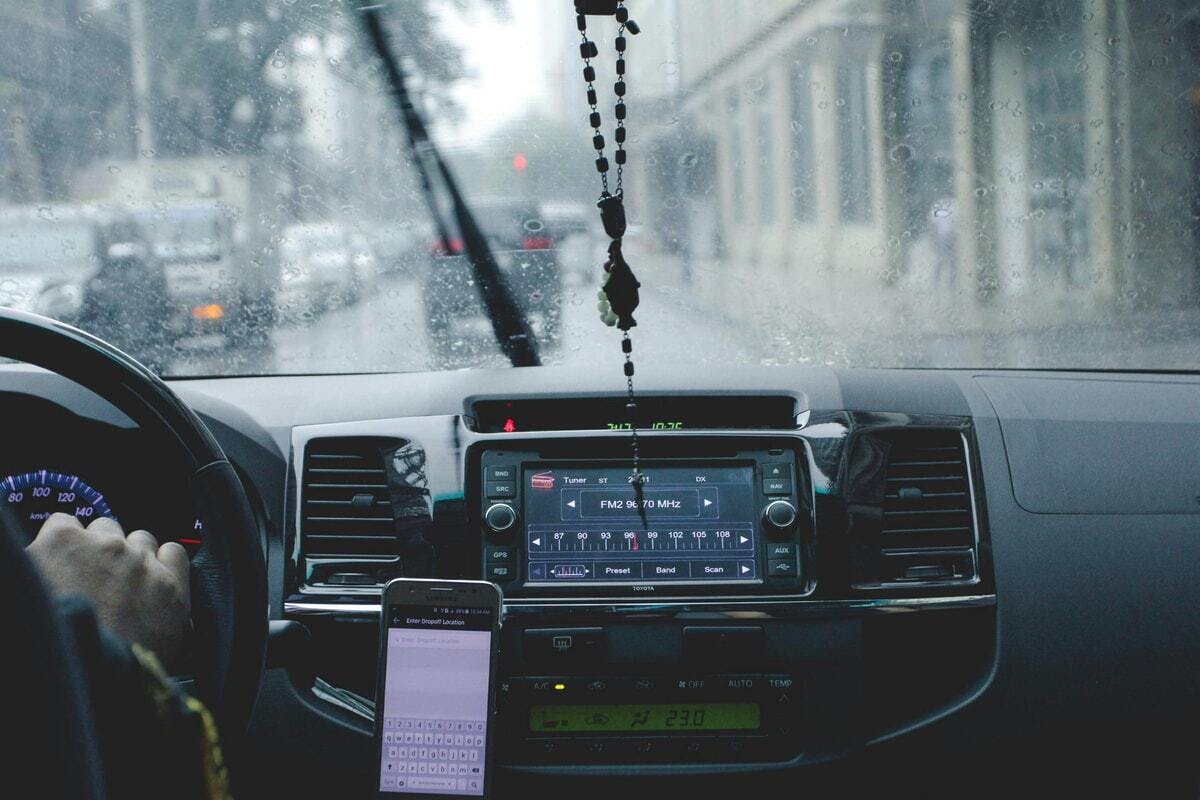
Mastering Texas Texting and Driving Laws: What Every New Driver Needs to Know
Learn Texas texting and driving laws, teen phone rules, and real penalties. Get clear, up-to-date guidance every new driver needs to stay safe.

How DriversEd.com Revolutionized Drivers Ed
Skip the classroom. Learn to drive at your own pace with DriversEd.com’s online course—designed for busy, nervous, or first-time drivers who want real results.
Looking for more driving resources?
Enter your email for deals, study materials, car maintenance tips, insurance savings, and more.