- Select State

- Drivers Ed

- Community


Dangerous Winter Driving Hazards
Car accidents that occur during bad weather conditions kill more Americans than weather disasters.
U.S. Department of TransportationWeather Q1_roadimpact.htm Ops.fhwa.dot.gov statistics show that over a 10-year period between 2007 and 2016, 5,376 people died in weather-related traffic accidents compared to 379Safety Winter News Weather Fatalities Car Crashes Accidents United States Weather.com who were killed in floods, hurricanes, tornadoes, lightning strikes, and extreme heat over the same period.
Winter conditions create a perfect storm for deadly car accidents. Here are the most dangerous winter driving hazards to be aware of.
Wet Roads
Seventy percent of weather-related crashes occur on wet pavement. Wet road surfaces reduce traction, especially if your tires are worn. This affects how long it takes for a vehicle to come to a stop.
On average, a vehicle traveling at 60 mph covers 88 feet per secondKeep Your Braking Distance More Than Just Slowing Down.html Driving Tips. In reality, though, when you add perception time (the time it takes you to realize you need to brake) and reaction time (the time it takes to move your foot over to the brake), stopping the vehicle may take over 4.5 seconds and cover a distance of 271 feet.
On wet roads, braking may take even longer and the faster you drive, the longer it will take to stop. The moral of the story — when the roads are wet, slow down!
Ice and Snow
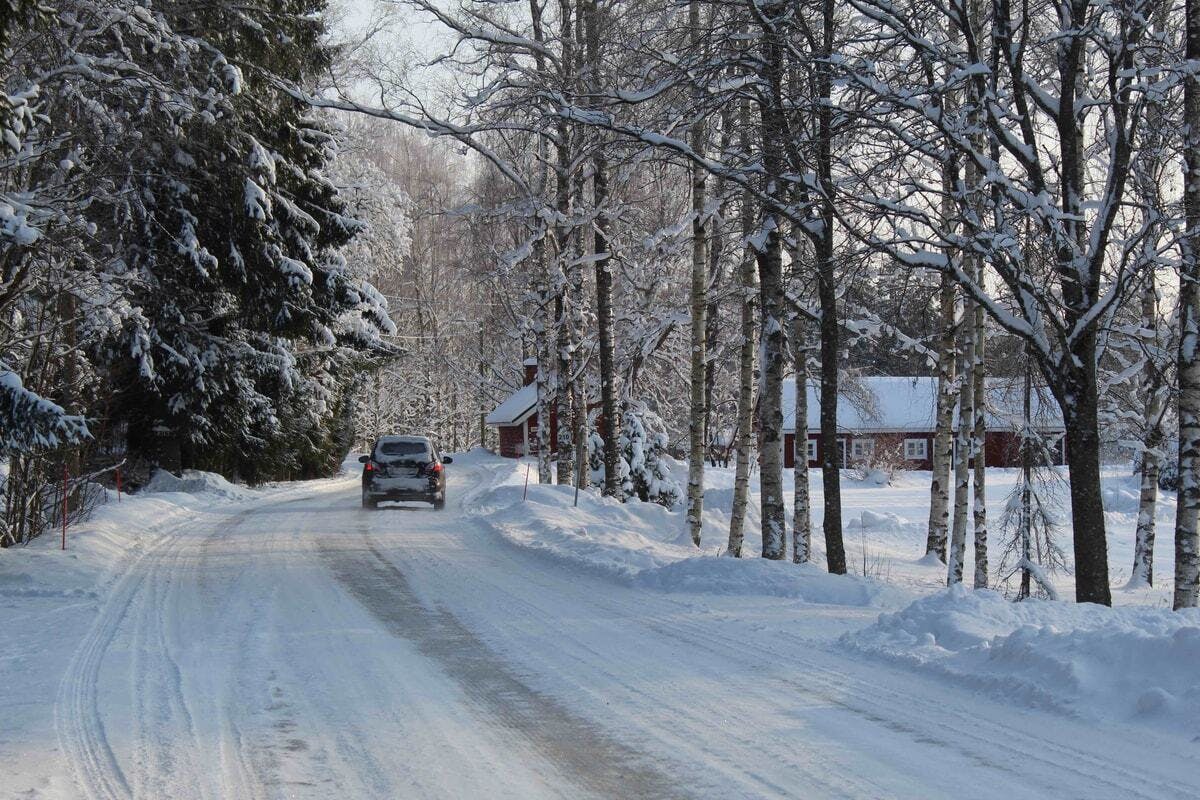
Nearly 70% of the U.S. populationWeather Weather_events Snow_ice.htm Ops.fhwa.dot.gov lives in snowy regions. Each year, 24% of weather-related car crashes occur on snowy, slushy, or icy roads, resulting in over 1,300 deaths and 116,800 injuries.
If you live in an area that receives snowfall, switch to winter tires that have deeper tread. It’s also advisable to keep a set of tire chains in your vehicle in case you need extra traction. Make sure you know how to properly fit the chains to your tires.
Ice is another danger. Slippery roads increase the chances of skidding and losing control of the vehicle. Black ice is particularly dangerous, as it is not as visible as surface ice. A patch of black ice simply makes the road look wet. When your tires come in contact with it, it has almost no grip on the road. As a result, your car will start to slide and can quickly spin out.
When driving on icy roadsTrending How Drive More Safely Icy Roads Driversed.com, reduce speed, keep a safe following distance, and do not use cruise control. If you do go into a spin, resist the urge to hit the brakes. Instead, lift your foot off the accelerator, try to keep the steering straight, and pump the brakes gently until the vehicle comes to a stop.
Poor Visibility
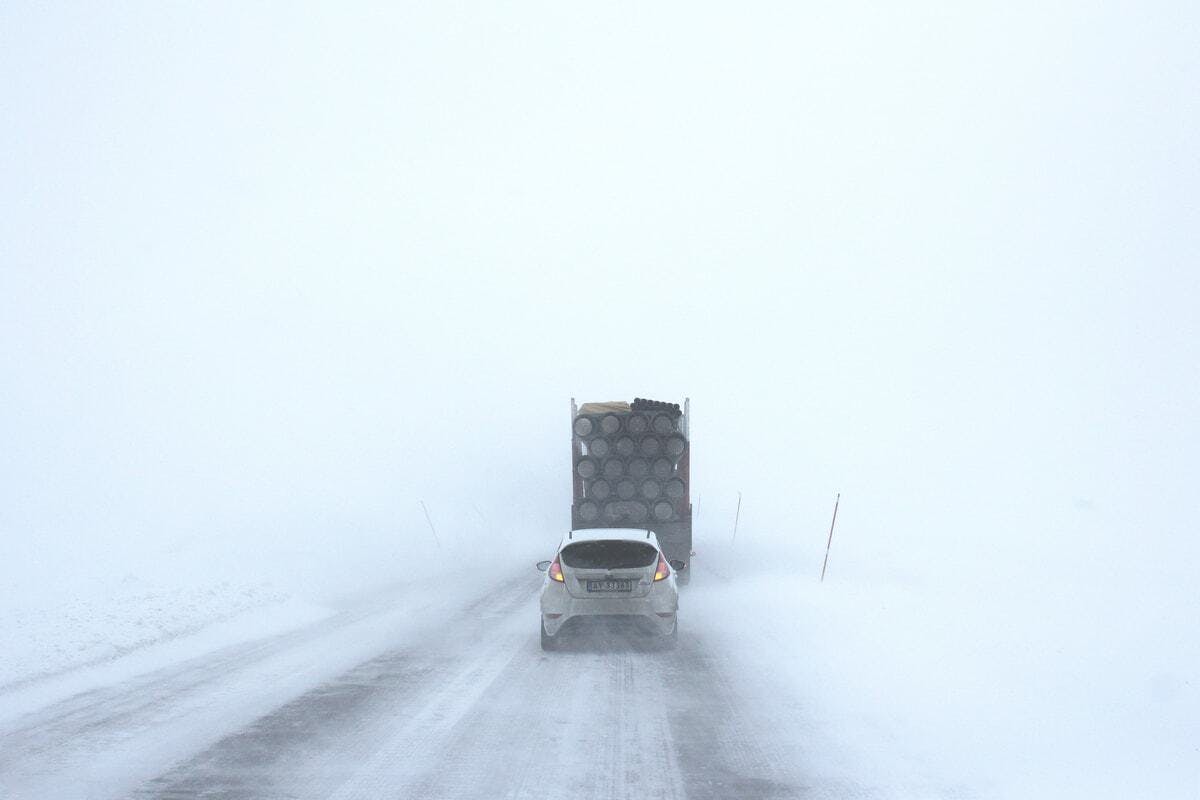
Rain, sleet, fog, and snow all reduce visibility. When you can’t see the road clearly, the chances of crashing into a car, pedestrian, or stationary objects like a pole or tree increases.
Before winter arrives, check your vehicle’s wiper blades and defroster. Change to winter wiper blades which have a thicker rubber to clear ice and snow more effectively.
During winter, keep an ice scraper in the car to clear windows. Never drive with snow on the windshield, outside mirrors, or on top of the car. When you brake, snow on the roof will be thrust forward and onto the windshield.
An Unprepared Vehicle
If your brakes are not up to scratch or your battery fails, you can find yourself in a serious accident or stranded on the side of the road. Breaking down in snow can be dangerous. If snow starts to cover your car, oncoming vehicles may not see you.
Take your car for a pre-winter tune-upTrending Winter Check Up List Driversed.com to make sure the following are in good condition:
Brakes.
Tires (including tire pressure).
Battery.
Lights.
Wiper blades.
Belts and hoses.
Fluids like water, coolant, brake fluid, and power steering fluid. If you live in an area where freezing temperatures are common, use a winter oil that won’t thicken in the cold weather.
The sensors for safety features like forward collision warning and electronic stability control.
Defroster and heating system.
Stay Safe on the Roads This Winter
Following our winter driving safety guideTrending 2020 Winter Driving Safety Guide Driversed.com can help prevent collisions on the roads. You should also consider taking a defensive driving course that will teach you how to drive safely in bad weather and respond to an emergency situation.
Sign up for the DriversEd.com defensive driving courseTraffic School Driversed.com today.
Get Started with your Online Drivers Ed Course Today
Winter Driving and Ski Season
This winter make the trip to the ski resort a safe one by driving slower, securing your skis, and preparing your car with winter tires and chains.
How to Pack an Emergency Winter Kit for Your Car
Build an emergency car kit with all of the items on this list and it will help you with any winter situation. Sign up for a DriversEd.com course to learn safe driving techniques.
Looking for more driving resources?
Enter your email for deals, study materials, car maintenance tips, insurance savings, and more.