- Select State

- Drivers Ed

- Community


Green Cars: What You Should Know before Buying an Electric Vehicle
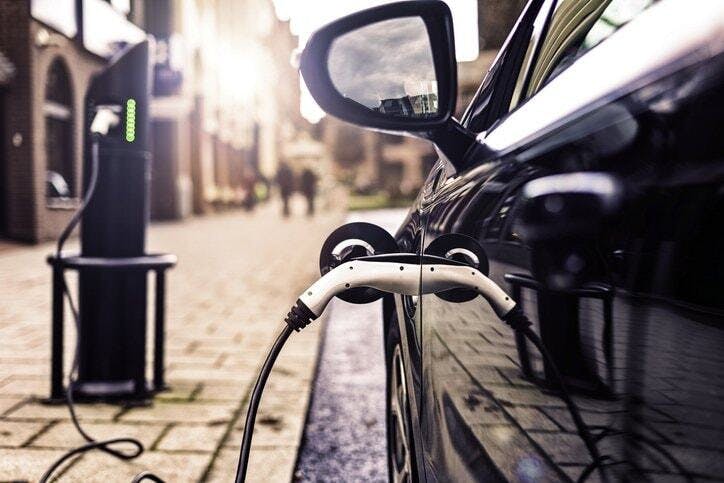
There are more electric cars on the road than ever before. According to a study05 30 Electric Vehicles Will Grow From 3 Million To 125 Million By 2030 Iea.html 2018 from the International Energy Agency, there were 3.1 million electric vehicles in use in 2017. By 2030, the organization expects that number to skyrocket to 125 million.
With “green” cars becoming increasingly accessible, it’s important to know what you should consider before purchasing your own.
There Are Different Types of Green Cars
In 2019, the two types of electric cars entering the market are all-electric vehicles (AEVs) and plug-in hybrid electric vehicles (PHEVs). AEVs run exclusively on rechargeable battery power, while PHEVs have both battery packs and combustion engines.
Drivers who don’t make many long trips, own a second vehicle or have a charging station at their workplace could consider an AEV. The downside of AEVs is that more affordable models can’t travel too far on a full charge. The 2019 Nissan Leaf, for example, has a range of 150 miles. More expensive models, like the long-range Tesla 3, can travel about 300 miles on a single charge.
One of the benefits of AEVs, however, is their reliability. The engine in an all-electric car only has one moving part, so there are way fewer things that can go wrong than with a combustion engine.
PHEVs, in contrast, typically start out by running on electricity before switching over to gas. They’re not quite as “green” as their all-electric counterparts, but they’re likely a better option for drivers who need to travel long distances. They’re also typically more fuel efficient than regular, gas-consuming cars. The 2019 Chevy Bolt, for example, travels 53 miles on a full battery, then gets 42 miles-per-gallon after switching over to gas.
Learn more about types of car enginesTrending 4 Types Of Car Filters Driversed.com on DriversEd.com.
What’s the Deal with Charging?
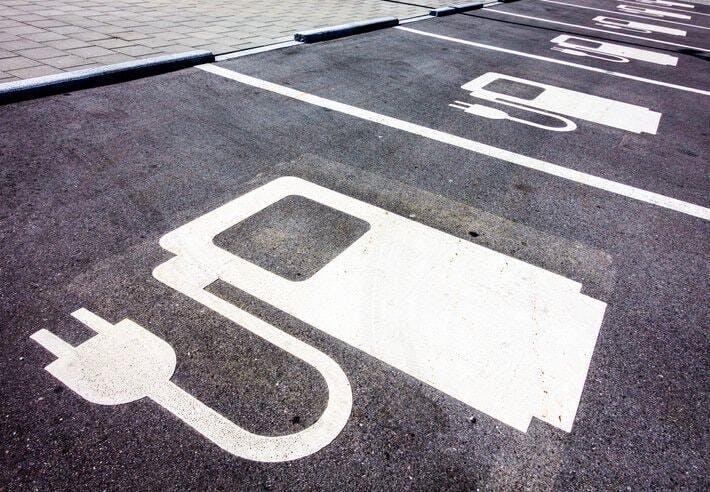
One of the most intimidating parts of buying an electric car is dealing with the charging process.
There are three different levels of chargers:
- Level 1: This refers to charging from a standard, 120-volt electrical outlet, like the one you already have in your garage. Many electric car owners charge their vehicles this way, leaving them plugged in overnight. Because of the lower voltage, it can take more than 8 hours to fully charge an electric vehicle in this manner.
- Level 2: You can purchase a level-2 charger and have it installed in your garage, but it takes a bit more effort than using your standard socket. Using 240 volts, these charging stations can typically replenish a battery in several hours.
- Level 3: These charging stations, like the Tesla Supercharger, can fully charge a battery in less than an hour, but they’re not always easy to find.
Public charging stations are typically level 2 or 3, and depending on the make of your car, you may need to carry an adapter in order to use them. Fortunately, there are handy resources like PlugShare to help drivers find the nearest charging stations and show them what type of station it is.
Some public charging stations do require payment, though many are free. Even though it does cost money to charge an electric car – either through an increase in your home electricity bill or paying to use charging stations – they can still lead to long-term savings.
According to Capital OneMoney Management Car Do Electric Cars Save Money #id_citations Bank, electric car owners save an average of $800 per year in fuel, as well as $1,500 on the first 150,000 miles worth of maintenance.
Parting Thoughts on Green Cars
Of course, there is a lot to consider anytime you’re buying a vehicle and that’s especially true when making the jump to electric.
Electric cars have come a long way over the years and there are now plenty of models available, from sports cars to SUVs. One area of the market that’s lacking, however, is pickup trucks. Rivian, a start-up out of Michigan, is planning to launch the first electric pickup in 2020. For now, however, pickup drivers don’t have an electric option.
On that same note, the only all-electric vehicle that’s certified to tow is the Tesla Model X SUV. It offers great features, like a state-of-the-art cabin and room for seven, but a new one costs more than $80,000.

7 Tips for Safely Sharing the Road with Electric Scooters
Electric scooters are becoming more popular, so it’s important to watch out for them. These seven tips will help you safely share the roads.

Got Your First Traffic Ticket? Let’s Help You Understand Defensive Driving!
If you’ve received your first ticket, it’s important to use your online educational opportunities to learn more about defensive driving.

5 Ways for Parents to Save Money on Teen Car Insurance
It isn't cheap to add a teen to your insurance policy. Save money when they get good grades and drive safely. Don't forget to shop around for auto policies.
Looking for more driving resources?
Enter your email for deals, study materials, car maintenance tips, insurance savings, and more.