- California

- Drivers Ed

- Community


How to Drive Safely in California Weather: A Guide for New Drivers
California weather doesn’t just change the scenery; it changes how you drive. Whether it’s wildfire smoke in the hills, fog on the coast, or snow in the mountains, each condition teaches new drivers a different kind of caution. This guide gives you the tools to drive safely and confidently, no matter what nature throws your way.
Driving in Sunshine and High Heat
Hot days can wear out your vehicle and your patience.
Stay prepared by:
Checking your coolant levels and engine temperature regularly.
Keeping water bottles in your car to stay hydrated.
Using sun visors and polarized sunglasses to manage glare.
Cleaning your windshield thoroughly, inside and out.
Taking breaks in the shade during longer drives.
What to Do When You Hit Fog
Fog can show up suddenly and cut visibility down to a few feet.
Drive with care:
Slow down and increase the space between you and other cars.
Use low-beam headlights or fog lights (never high beams).
Pull over to a safe location if you can't see the road ahead.
Staying in Control on Rainy Roads
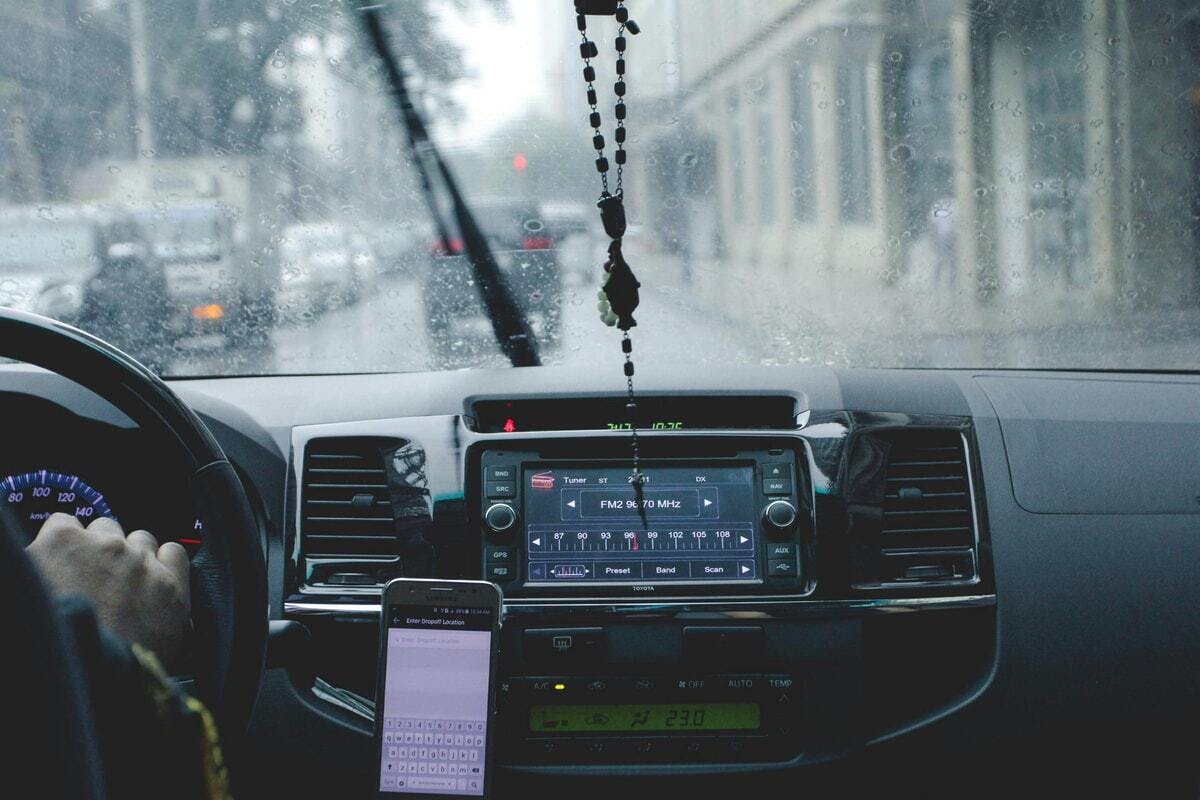
Rain makes the roads slick and raises the risk of hydroplaning.
Here’s how to stay in control:
Reduce your speed and avoid sudden braking or sharp turns.
Check your tires for tread depth and proper inflation.
Double your following distance to give yourself time to react.
If conditions become severe, learn what to do if you're caught driving in extreme weatherTrending What Do If Youre Caught Driving Severe Weather Driversed.com so you're never left guessing.
Driving During Wildfire Season
Wildfires in California can significantly impact air quality, visibility, and road access, particularly during the summer and early fall.
To stay safe:
Check local fire updates and Cal Fire alerts before hitting the road.
Avoid routes with active fire zones or poor visibility due to smoke.
Keep windows rolled up and use your vehicle’s recirculate air setting.
Follow all road closure signs and emergency personnel instructions.
What to Do If an Earthquake Strikes While Driving
Earthquakes strike without warning, and your car won’t protect you unless you act quickly.
Here’s what to do:
Slow down and pull over safely—away from bridges, power lines, or tall structures.
Stay inside your car until the shaking stops.
Turn on your hazard lights and check your surroundings for damage.
Proceed slowly, watching for broken pavement or debris.
Driving in Strong Winds
Windy days can make it hard to stay in your lane, especially on bridges or open highways.
Protect yourself by:
Keeping both hands firmly on the wheel.
Slowing down, especially in vans, trucks, or SUVs.
Watch for swerving vehicles and fallen debris.
Always Check Conditions Before You Drive
Quick checks can prevent big problems:
Use Caltrans QuickMapQuickmap.dot.ca.gov for real-time road updates.
Visit the National Weather Service for local alerts.
Check Cal Fire for wildfire zones and warnings.
A few minutes of planning can keep your whole drive safer.
What to Keep in Your Car: Emergency Essentials
Every California driver should carry a basic emergency kit:
Flashlight and extra batteries
First-aid kit
Blanket or warm layers
Bottled water and non-perishable snacks
Phone charger
N95 mask (for smoke protection)
For added peace of mind, consider taking professional driving lessons California Driving Lessons Driversed.comto build real-world confidence under expert supervision.
Even If You're Nervous…
Even if:
Fog makes you uneasy
Wildfire alerts stress you out
You’ve never experienced an earthquake behind the wheel
You’re not alone. And you can still become a skilled, calm, and capable driver. California Teen Drivers Ed Driversed.comDriversEd.com is built to guide you one step at a time—no panic, no pressure.
Driving in Snow and Ice
While winter weatherTrending Safe Winter Driving Tips Driversed.com isn’t common in most of California, it’s a serious factor in mountain areas like Tahoe, Big Bear, and Shasta.
To drive safely in snow or ice:
Carry chains or use snow-rated tires.
Avoid sharp turns and quick stops.
Check for road closures or snow alerts before your trip.
FAQs
Is drivers ed required in California?
Yes. If you're under 18, you must complete a state-approved course before applying for a provisional license.
Can I practice driving in all weather conditions with a permit?
Yes. In fact, supervised practice in fog, rain, or wind helps build real-world readiness.
How can parents support new drivers?
Check out our guide for parents of new driversTrending 5 Tips Parents New Drivers Driversed.com to create a supportive (and less stressful) learning environment.
Start Your Drivers Ed Journey
From wildfires to winter storms, California roads come with real challenges, but you don’t have to face them alone.
Sign up for your teen drivers ed courseTexas Teen Drivers Ed Driversed.com and start learning how to handle anything the road throws your way.
Get Started with your CA Online Drivers Ed Course Today
Keeping Your Driving Record Clean: A Guide for New Drivers
Learn how to maintain a clean driving record and avoid accumulating points. This guide offers practical tips for safe driving, understanding traffic violations, and managing anxiety behind the wheel.

How to Drive Safely in Texas Weather: A Guide for Teens & Parents
From flash floods to icy roads, learn expert-backed tips to help Texas teens and parents drive safely in any weather. Confidence starts with preparation.

Most-Missed Questions on the California Permit Test
Nervous about the California permit test? Discover the 5 most commonly missed questions with clear explanations, memory tips, and strategies to pass with confidence.
Looking for more driving resources?
Enter your email for deals, study materials, car maintenance tips, insurance savings, and more.