- Select State

- Drivers Ed

- Community


Learner’s Permits and Provisional Licenses for Young Drivers
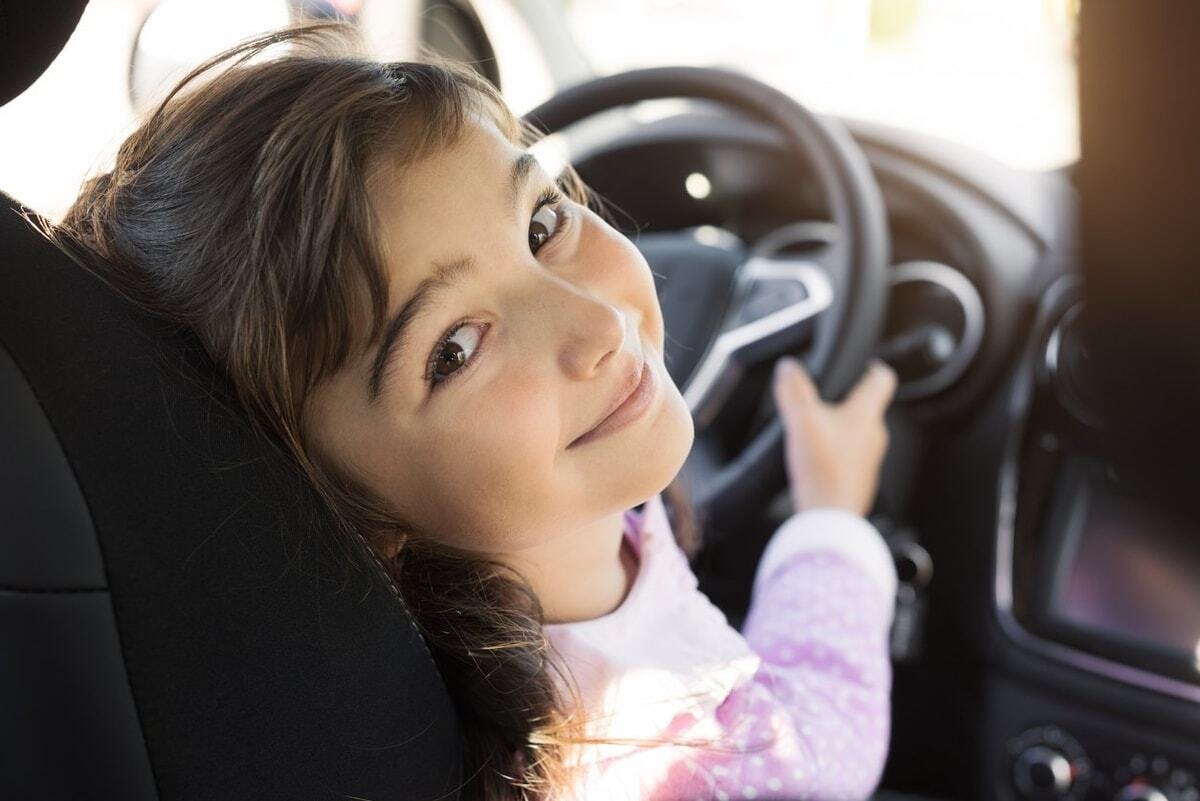
Getting a drivers license is a significant milestone in most young people’s lives. Most states now have Graduated Driver’s Licensing (GDL) programs with three stages of licensing for drivers under age 18. Laws regarding drivers licenses for young drivers vary from one state to another, so it is essential to look up specific laws in your state.
In many states, young people can receive a provisional or learner’s permit between the ages of 15 1/2 and 17 1/2, as long as they have taken a state-approved driver’s education course.
Drivers education websites also provide learner’s permit tests for practicing to pass the DMV written exam. Using practice tests is a good way of increasing your chances of passing this test on your first try.
Taking Drivers Ed Classes for a Learner’s Permit
Each state has its own learner’s permit requirements for how many hours of classroom and behind-the-wheel training drivers ed schools must provide. In California, before applying for a learner’s permit, young drivers must take:
- 25 hours of classroom study at a high school, a state-certified driver’s education school, or through an Internet class provided by an accredited driver’s ed program
- 6 hours of behind-the-wheel drivers trainingDriving Lessons.aspx Driversed.com
Applying for a Learner’s Permit
After successful completion of drivers ed, the student driver can then apply for a learner’s or provisional drivers license with parental permission.
When applying for a learner’s permit, bring the following documents with you to the DMV officeDmv Driversed.com:
- A completed DMV application for a drivers license signed by parents
- Your Social Security number
- Your birth certificate or other proof of legal U.S. residency
- Proof of your family’s state residency, such as auto registration, pay stubs, or insurance documents
- Your Driver’s Ed and Driver Training certificates
During your appointment, you will also have to pass a vision test, pass a written test, have your fingerprint taken, have a photo taken, and pay an application fee.
Making an appointment in advance for taking your written exam and driving test is sometimes required, and even if it’s not, making an appointment can save you time and assure you will get your tests complete when you go to the DMV office.
Junior Driving Permits
In some states, the learner’s permit age limit is as low as 14 years old for people who can demonstrate a hardship requiring them to drive, such as a family medical problem.
Restrictions on Driving with a Learner’s Permit
Most states now have Graduated Driver’s Licensing (GDL) programs for young drivers, beginning with supervised learning where the driver must have a licensed adult over age 25 sitting next to them whenever they drive.
Next, an intermediate license is issued which allows solo driving during certain times of day and restricts the number or ages of passengers allowed in the car. Finally, a full-privilege license is issued, granting the driver unrestricted driving privileges.
Learn more about practice permit testsPractice Permit Test.aspx Driversed.com.
Information & Resource Center
Looking for more driving resources?
Enter your email for deals, study materials, car maintenance tips, insurance savings, and more.