- Select State

- Drivers Ed

- Community


National Burn Awareness Week: How to Prevent Vehicle Fires
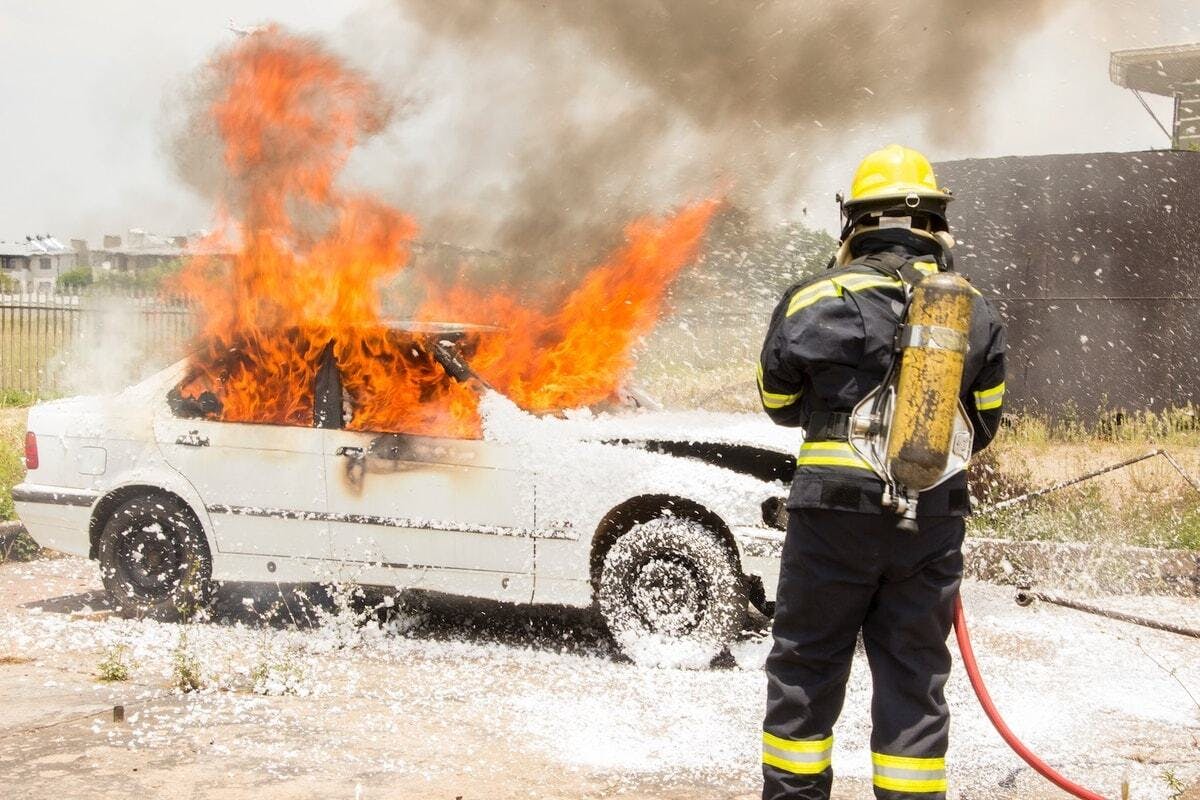
National Burn Awareness WeekPrevention Burn Awareness Week Ameriburn.org takes place February 2-8, 2020. The campaign’s objective is to increase awareness of burn injuries and educate the public on prevention. One vital component of National Burn Awareness Week: vehicle fire safety.
According to the Federal Emergency Management AgencyPdf Statistics V19i2.pdf Downloads (FEMA), approximately one in eight fires in the U.S. is a highway vehicle fire. In total, FEMA reports that 171,500 highway vehicle fires per year occurred between 2014 and 2016, resulting in 345 deaths and 1,300 injuries for each year.
A burning car is extremely dangerous, with potentially deadly consequences. In such an enclosed space, a fire can spread quickly and have you trapped in minutes. Here’s what you can do to prevent a vehicle fire and what to do should one occur.
Vehicle Fire Prevention Tips
Vehicle fires are commonly caused by mechanical or electrical failures or as the result of a crash. FEMA statistics show that 62% of highway vehicle fires start in the engine, running gear, or wheel area of the car. That’s one reason why car maintenance is so essential. Inspect your car occasionally and take it to a qualified mechanic for a yearly tune-up. Regular car maintenance can help spot hazardous problems such as frayed or loose electrical wiring.
Use the following tips to prevent potential vehicle fires:
- If you notice any fluid leaks or your fuel levels drop rapidly, have your car checked. Leaking oil or fuel can spark a fire.
- Secure your oil and gas caps properly.
- Pay attention to if your vehicle is overheating. A hot engine can cause fluids, such as oil or coolant, to leak. When fluids drip onto hot areas of the engine, they can start a fire.
- If your exhaust system is too hot, have it checked. The normal temperature range of an exhaust system is 300-500 degrees FahrenheitEngine How Hot Does An Exhaust Pipe Get Mechanicbase.com. If the catalytic converter is clogged or over-labored, it can reach scorching temperatures of 1,200 degrees or higher. An overheating catalytic converter that comes into contact with dry grass or any flammable material can spark a fire.
- Do not smoke in your car. Cigarettes are a common cause of fires, including in vehicles. Embers may fall on the seat or floor carpet and start a fire. If you can’t wait until you arrive at your destination to smoke, pull over in a safe place to smoke, and extinguish your cigarette properly.
- Do not leave flammables, such as cans of gasoline, lighter fluid, or aerosol cans in your car. If you are transporting gasoline, do so in a certified gas can that is sealed and transport it in the trunk, not the passenger compartment.
What to Do if Your Car Catches Fire
Most people don’t expect their car to burst into flames, but it can happen—including occasionally with a manufacturing defect as the cause. In 2019, Hyundai and Kia recalled over 500,000 of its vehiclesHyundai Kia Recall Over 500000 Vehicles Due To Engine Fire Risk News due to an engine fire risk.
If your car does catch fire, this is a dangerous situation. A fire can spread from the engine to the passenger compartmentArticle Pii S2214157X17301053 Science in under 20 minutes. If you smell gasoline, burning rubber, burning plastic, or see smoke or flames, take action immediately. Below are steps to take.
- Pull to the side of the road and turn off the engine.
- Get out of the car immediately and move at least 100 feet away. Do not return to the vehicle to retrieve anything. A burning vehicle could explode at any second.
- Warn pedestrians and other drivers nearby to keep clear of the vehicle.
- Never open the hood or trunk to investigate. Touching a hot hood could result in severe burns. Opening the hood or trunk also lets in a rush of air that can increase the flames and intensity of the fire.
- Call 911.
In addition, keep a fire extinguisher in your car. If used promptly on a small fire, a fire extinguisher—approved for Class B and Class C fires—can be effective in putting out flames before they become larger and out of control.
Always practice safe drivingDriversed.com to avoid collisionsDriving Information Defensive Driving Collision Avoidance.aspx Driversed.com. While car crashes only account for 5% of highway vehicle fires, they are responsible for 60% of fatalities in highway vehicle fires.

Parents: Participate in National Teen Driver Safety Week this October
National Teen Driver Safety Week is October 20-26. Read tips from the California Office of Traffic Safety on how to encourage your teens to drive safely.

How to Report Dangerous Drivers: A Teen's Guide to Colorado Road Safety
Learn how teens can spot and safely report aggressive drivers in Colorado. Call CSP (277) to help keep roads safer for everyone.
Looking for more driving resources?
Enter your email for deals, study materials, car maintenance tips, insurance savings, and more.