- Select State

- Drivers Ed

- Community


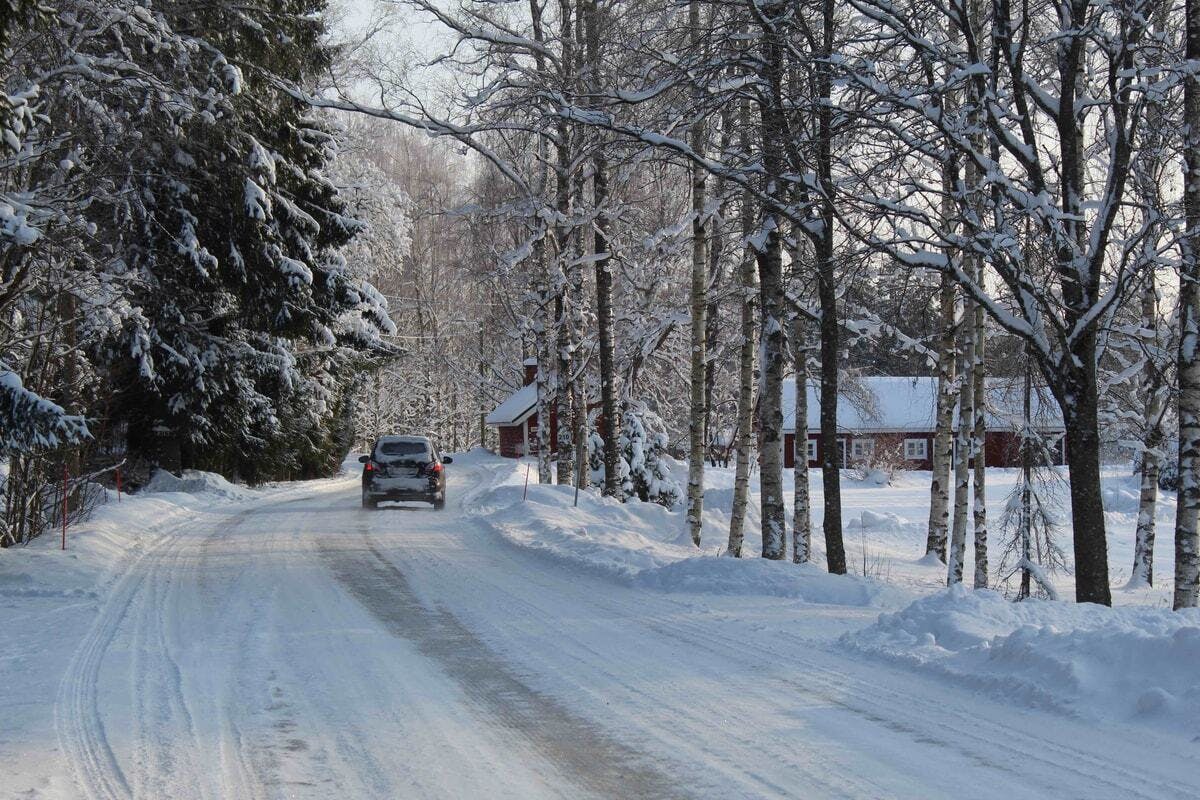
Why Can Winter Driving Be So Dangerous?
Did you know that 70% of the roads (and 70% of the population) in the United States are in regions that can have snowy conditions? On average, these roads receive 5 inches of snow each year. The Federal Highway AdministrationWeather Q1_roadimpact.htm Ops.fhwa.dot.govWeather Q1_roadimpact.htm Ops.fhwa.dot.govWeather Q1_roadimpact.htm Ops.fhwa.dot.gov reports 1,705 deaths caused by snowy and icy pavement conditions every year.
Winter-related dangers on the road are many, and they can affect your driving significantly. Getting your car ready for winterTrending Are Youand Your Carwinter Road Ready Driversed.com, brushing up on your defensive driving techniquesTraffic School Driversed.comTraffic School Driversed.com, and being more attentive on the roadTrending Safe Winter Driving Tips Driversed.com can lower your risk of an accident. Here's why winter driving is so dangerous.
Snow and Ice Make Roads Slippery
The primary danger of winter roads is how slippery they get with snow and ice. Snowy and icy pavement are respectively responsible for 13% and 16%Weather Q1_roadimpact.htm Ops.fhwa.dot.govWeather Q1_roadimpact.htm Ops.fhwa.dot.govWeather Q1_roadimpact.htm Ops.fhwa.dot.gov of all weather-related crashes in the United States. But what makes these conditions so dangerous is that your car needs a longer distance to brake safely, even with winter tires.
Snow, ice, and black ice (ice that is invisible on the pavement) are some of the most hazardous driving conditions. Make sure you have good winter tires to help with traction on winter pavement and review how to drive on icy roadsTrending How Drive More Safely Icy Roads Driversed.com.
Snowy Conditions Reduce Visibility
Another reason why winter driving is so dangerous is that snowy conditions greatly reduce visibility on the road. Snowy conditions are responsible for 18%Weather Q1_roadimpact.htm Ops.fhwa.dot.govWeather Q1_roadimpact.htm Ops.fhwa.dot.govWeather Q1_roadimpact.htm Ops.fhwa.dot.govof all weather-related crashes in the United States. On average, there are 219,942 crashes, 54,839 people injured, and 688 people killed every year because of snow or sleet conditions.
When faced with reduced visibility from sleet or snow, it helps to slow down, leave more space between cars, and brake earlier and more gradually. Make sure your headlights are in good condition. You should also get winter windshield wipers and winter windshield fluid. Wear sunglasses, too. They protect against the glare of the sun reflecting on the snow.
Winter Can Put a Strain on Your Battery
The colder it is, the more difficult it is to start your car. Your battery is a critical element of winter driving. If it dies, you could be stranded in the middle of nowhere in the freezing cold. And if you don't have an emergency kitTrending Packing Roadside Emergency Kit Driversed.com stocked with warm clothes, you could be at risk for hypothermia or frostbite.
Reduce the strain by plugging your battery during the night. You should also get your battery checked at your mechanic before the winter season.
Your Tires Are Less Effective
Winter affects tires in many ways, making them less effective than in the summer. This is especially true when you use all-season tires. But even if you use winter tires, you should always keep an eye on their pressure, especially if the temperature changes a lot in a short period of time. Low temperatures can reduce the pressure in your tires, affecting your ability to brake or turn without slipping.
Worn tire treads are also dangerous in winter because it reduces your tires' traction. Make sure your tires still have enough tread visible to handle the traction needed for winter driving.
Road Salt Can Affect Your Car
Winter conditions can affect your carTrending How Does Winter Affect Your Car Driversed.com in a number of ways. Although road salt is an excellent way to increase traction and reduce accidents on the road, one of its drawbacks is that it can eat away at the undercarriage of your car. Over time, this can lead to dangerous conditions, especially if your car starts to fall apart while you're driving.
During the winter months, it's a good idea to have your car cleaned more often than in the summer.
Other Inexperienced Drivers Can Be a Hazard
Even if you are well-versed in defensive drivingTraffic School Driversed.comTraffic School Driversed.com, other inexperienced drivers on the road can be a danger. This is why it's very important to keep your distance and to brush up on your winter driving techniques before the snowy season arrives
Take your Traffic School or Defensive Driving Course Online Today!

5 Tips for Safe Driving in Winter
Learn 5 winter driving tips to keep you and your family safe in inclement weather.
How to Drive Safely on Icy Roads
Learn how to drive safely in icy conditions and how drivers education can help you stay safe this winter.

What's the Best Age to Start Drivers Ed?
Wondering when to start drivers ed? Most states allow it between ages 14–15½. Learn the legal rules, emotional readiness signs, and why starting early sets you up for driving success.
Looking for more driving resources?
Enter your email for deals, study materials, car maintenance tips, insurance savings, and more.